Water and electricity are the two consumables that have no alternative in terms of importance for human existence. We can buy a life-giving liquid to drink from the store, leaving us only with the inconvenience of washing and bathing. While with electricity, the problem is more complicated. But technology has come up with a solution for this too, and it is called an electric generator. An electric generator is a machine that converts mechanical energy into electrical energy. The process of conversion is also known as the production of electrical energy.
ELECTRIC GENERATOR DEVICE
An electric generator is most often a rotating electrical machine consisting of two main components: a stationary part - a stator, and a moving or rotating part - a rotor. The rotor is driven by a so-called prime mover, which can be a steam, water or other turbine (turbogenerator), an internal combustion engine, a wind turbine, etc.
ELECTRIC GENERATORS – AREAS OF APPLICATION
A generator is a must-have for anyone who owns a cottage, bungalow or caravan that does not have constant access to electricity or the power is often interrupted. Even in today's times, power outages are not uncommon, especially in cottage areas and settlements further from civilization, as well as in disasters. The solution, as we have already mentioned, is one – a backup autonomous source of electricity and a can of gasoline or diesel fuel. That is, a generator.
Buying your own generator has now become a must-have when seeking escape from the hustle and bustle of the city by merging with nature. Whether you've pitched a tent, parked your caravan by the sea or on a mountain, or escaped from your daily work routine in a remote cabin, you can't have a good time without electricity.
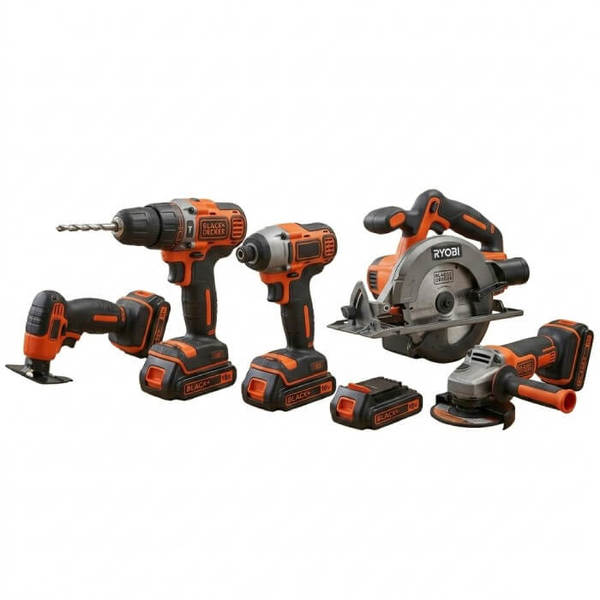
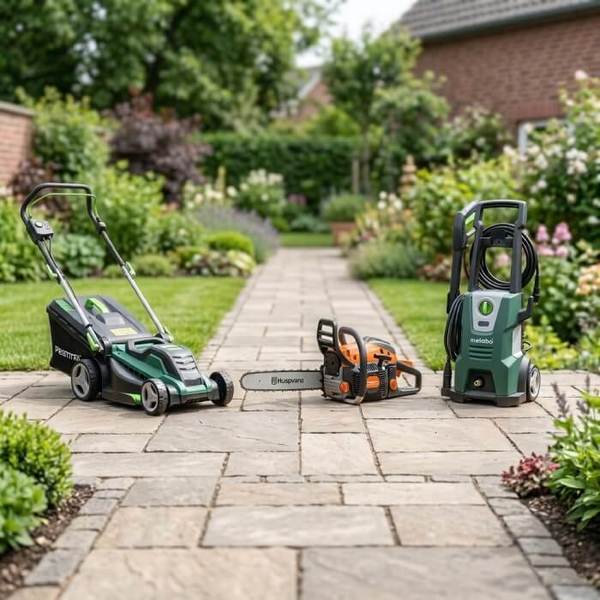
When there is no electrical outlet nearby, your own power source is absolutely necessary for various craft activities that are unthinkable without the use of electric tools - drills and hammers, electric saws, manual woodworking machines, garden equipment, etc.
Therefore, the problem is not whether it is worth it, but what kind of electric generator to choose, especially since their prices have now become completely affordable.
WHAT SHOULD WE PAY ATTENTION TO WHEN CHOOSING A GENERATOR?
The high technological level of generators means minimal fuel consumption, meeting the standards of electric current with minimal pulsations, stable voltage, frequency and correct sine wave, low level of harmful emissions in exhaust gases, minimal weight and dimensions /in some cases this is of crucial importance/, easy engine starting and, last but not least, guaranteed durability and trouble-free operation.
A defining indicator for any electric generator is its electrical power. It depends on what and how many devices it will be able to power. It is also necessary to distinguish between the nominal and maximum power, which is indicated in the technical documentation of the generator. The difference between them sometimes reaches about 20%, and in maximum power mode the generator can only operate for short periods of time - most often up to 30 minutes. In the case of prolonged load, for example, to power an electric water pump, one should rely on the nominal power of the generator.
The choice of generator power should be made after calculating the total power consumed by the appliances powered by it, adding at least 20–30% for reserve.
For generators for industrial purposes, models that produce three-phase current are often preferred, while for domestic needs, single-phase generators, such as those included in our sales list, are used.
Special attention when choosing a generator should be paid when it is used to power sensitive electronic equipment - electronically controlled appliances and instruments, as well as computers. For their normal operation, a sinusoidal voltage with a frequency of 50 Hz is required. This is exactly the frequency of the models that we offer you.
Another important factor to consider is fuel consumption. Generators with four-stroke engines are definitely more economical than those with two-stroke engines. This is reflected in the price of the models. We have both types.
Gasoline generators have a clear advantage over diesel generators when used as an emergency power source in the event of a power outage. They also have no alternative when the generator is often transported to a vacation spot or work site. Gasoline generators are significantly lighter and more compact, cheaper, but have higher operating costs.